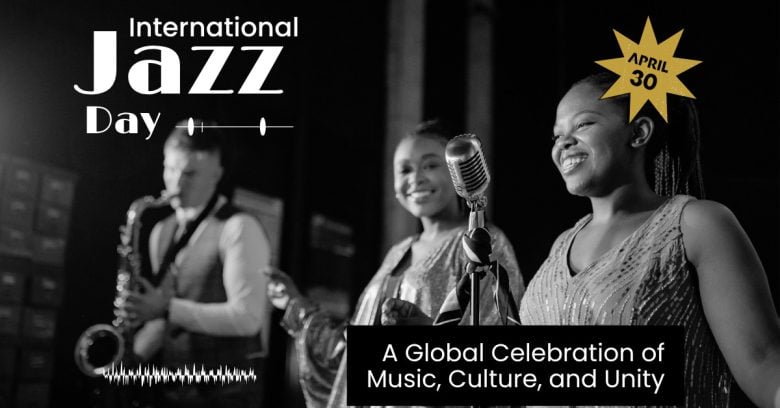
International Jazz Day is an International Day officially recognized by UNESCO and the United Nations, and is included on the official calendars of both organizations. It stands as the world’s largest annual celebration of jazz music, bringing together over 190 countries each April 30th to honor a genre that has shaped cultural diplomacy, promoted peace, and fostered intercultural dialogue for over a century. Established by UNESCO in November 2011, this worldwide celebration reaches more than 2 billion people annually through live performances, educational programs, and digital broadcasts, making it one of the most significant cultural observances on the global calendar.
What is International Jazz Day
When is International Jazz Day Celebrated
International Jazz Day is celebrated annually on April 30th, a date officially proclaimed by UNESCO during its General Conference in November 2011. The first celebration took place on April 30, 2012, marking the beginning of what has become a global phenomenon connecting jazz enthusiasts across continents.
While April 30th serves as the focal date, the annual celebration typically extends throughout the month of April. Host cities often organize events spanning several days, with programming that includes master classes, jam sessions, and community events leading up to the main evening concert. This extended celebration coincides perfectly with Jazz Appreciation Month in the United States, creating a month-long immersion into jazz culture.
The year 2026 marks a significant milestone—the 15th anniversary of International Jazz Day. Chicago has been designated as the global host city for this landmark celebration, which also coincides with the 250th anniversary of the United States, adding historical weight to an already momentous occasion.
Why was International Jazz Day Created
UNESCO created International Jazz Day to harness jazz music’s unique power in promoting peace, unity, and mutual understanding among cultures. The organization recognized that jazz represents more than entertainment—it embodies freedom of expression, human dignity, and the democratic principles of improvisation and collective creation.
The celebration highlights jazz’s remarkable diplomatic power to unite people globally, transcending language barriers and political divisions. Jazz’s history of bringing together musicians from diverse backgrounds—blending African rhythms, European harmonies, and Caribbean influences—serves as a powerful metaphor for inclusive societies working in harmony.
Beyond cultural appreciation, International Jazz Day supports broader social objectives including fostering gender equality, youth empowerment, and positive social change. The observance aligns with UNESCO’s 2005 Convention on protecting cultural diversity, recognizing jazz as an intangible cultural heritage worthy of preservation and promotion.
_(53079205910).jpg)
Who Founded International Jazz Day
Jazz icon Herbie Hancock, the legendary jazz pianist serving as UNESCO Goodwill Ambassador for Intercultural Dialogue, proposed the creation of International Jazz Day. His vision was to establish an annual celebration that would bring global attention to jazz’s capacity for promoting freedom and more inclusive societies.
Following Hancock’s proposal, UNESCO Director General officially proclaimed April 30th as International Jazz Day during the 2011 General Conference. The United Nations General Assembly subsequently added Jazz Day to its official calendar in 2012, granting the observance broader international recognition and legitimacy.
The Herbie Hancock Institute of Jazz (formerly the Thelonious Monk Institute) serves as the principal non-profit partner, leading annual celebrations and coordinating educational programs worldwide. The institute manages everything from artist coordination to community outreach initiatives in each year’s global host city.
Herbie Hancock continues to serve as Chairman and Artistic Director for International Jazz Day, personally overseeing the artistic direction of the All-Star Global Concert and ensuring the celebration remains true to jazz’s spirit of innovation and collaboration. His ongoing involvement keeps the observance connected to jazz’s living tradition while pushing boundaries each year.
How is International Jazz Day Celebrated
What Are the Main Components of Jazz Day Celebrations
The All-Star Global Concert stands as the centerpiece of International Jazz Day celebrations, featuring an international roster of world-renowned jazz artists performing alongside emerging talent. This All-Star Global Concert brings together musicians from across the globe, with recent editions showcasing artists from more than 13 countries on a single stage. In addition to the concert, jazz performances take place in a variety of venues and formats as part of the celebration, highlighting the global reach and diversity of jazz.
Educational programs form the backbone of Jazz Day activities, including master classes led by accomplished musicians, workshops for students of all ages, and seminars exploring jazz history and technique. Jazz institutes, such as the Jazz Institute of Chicago, play a key role in supporting jazz education and organizing events, festivals, and cultural programs that promote jazz in the community. These education programs often feature free educational videos and multilingual content designed to reach learners regardless of location or economic circumstances.
Community outreach initiatives ensure Jazz Day extends beyond concert halls into neighborhoods and community centers. Jam sessions, open to amateur and professional musicians alike, capture the improvisational spirit that defines jazz. Panel discussions bring together jazz legends, cultural leaders, and scholars to explore jazz’s role in society and its future directions. These activities foster greater appreciation for jazz and its cultural significance by promoting social harmony, inclusion, and understanding through education and community engagement.
Film screenings documenting jazz history, performances by local ensembles at jazz clubs, and special exhibitions at cultural institutions round out the programming, creating multiple entry points for experiencing jazz culture.
.jpg)
What Are the Signature Features of Jazz Day Events
Each year, a global host city organizes the main celebration, serving as the focal point for worldwide attention. The official host city coordinates with UNESCO and the Herbie Hancock Institute to stage the evening concert while developing programming that highlights local musical traditions and performing arts venues. The year’s global host city plays a crucial role in hosting flagship events, bringing together international artists and audiences for the central festivities of International Jazz Day.
Live broadcasts and streaming reach millions worldwide, with the all star concert available through multiple digital platforms. This accessibility ensures that jazz enthusiasts in remote locations can participate in the global celebration regardless of their proximity to major events. The musical direction of these concerts is essential, with the musical director—such as John Beasley in Osaka and New York—coordinating performance lineups and guiding the overall artistic vision. Major jazz concerts often feature artistic co-directors or co-leaders — such as Herbie Hancock and Chucho Valdés in Havana (2017), or Hancock and James Morrison in Melbourne (2019) — who collaborate to shape the event’s creative direction. During the Global Concert, special greetings and messages from the International Space Station have also been broadcast, emphasizing the truly global spirit of International Jazz Day.
Collaboration between established artists and emerging musicians defines Jazz Day events, reflecting jazz’s tradition of mentorship and creative exchange. The integration of local musical traditions with jazz elements—whether Gnawa rhythms in Morocco, Latin percussion in Havana, or indigenous sounds in Australia—demonstrates jazz’s capacity for cultural fusion.
The focus on accessibility remains paramount, with free events, community concerts, and online participation options ensuring that economic barriers don’t prevent anyone from joining the worldwide celebration.
Signature All-Star Global Concerts have marked International Jazz Day over the years. The 2022 concert returned to the United Nations General Assembly Hall in New York — echoing the inaugural 2012 sunset concert held in the same room — featuring Herbie Hancock, Gregory Porter, Marcus Miller, Ravi Coltrane, David Sanborn, Hiromi, Shemekia Copeland, José James, and others, themed around peace and unity amid global crises. In 2016, President Barack Obama and First Lady Michelle Obama hosted the concert on the South Lawn of the White House on April 29th, featuring dozens of world-renowned artists from around the globe and broadcast nationwide on ABC. The 2019 concert featured an international roster of artists from more than a dozen countries, including Herbie Hancock and James Morrison. In 2017, Havana, Cuba hosted 55 musicians representing fifteen nationalities, with the concert hosted by actor Will Smith and music legend Quincy Jones, featuring performers including Herbie Hancock, Esperanza Spalding, Chucho Valdés, Marcus Miller, and Kurt Elling.
In addition to concerts, International Jazz Day has offered free virtual education programs, such as the 2021 series featuring acclaimed educators, musicians, and public figures, and the 2022 programs streamed via jazzday.com, YouTube, and Facebook.
How Has International Jazz Day Evolved
International Jazz Day began modestly in 2012 with events centered in Paris, New Orleans, and New York. These initial celebrations established the template—combining education, performance, and community engagement—that would scale dramatically in subsequent years.
By the 2020s, participation had expanded to include more than 190 countries annually, with some years reaching 195 participating nations. The number of registered events grew from hundreds to thousands worldwide, reflecting grassroots enthusiasm for the celebration alongside official programming.
The COVID-19 pandemic in 2020-2021 prompted significant adaptation, with celebrations shifting to virtual formats. Online panels, livestreamed concerts, and digital initiatives like JazzWomenAfrica demonstrated the celebration’s resilience. While these adaptations addressed challenges of access and global coordination, they also highlighted issues of internet availability and time zone coordination.
Educational components have expanded substantially, with extensive digital libraries, teacher resources, and worldwide youth engagement initiatives now available year-round. Enhanced collaboration with local jazz communities and institutions has deepened the celebration’s impact, moving beyond single-day events to sustained cultural programming.
International Jazz Day 2026: Chicago Brings It Home
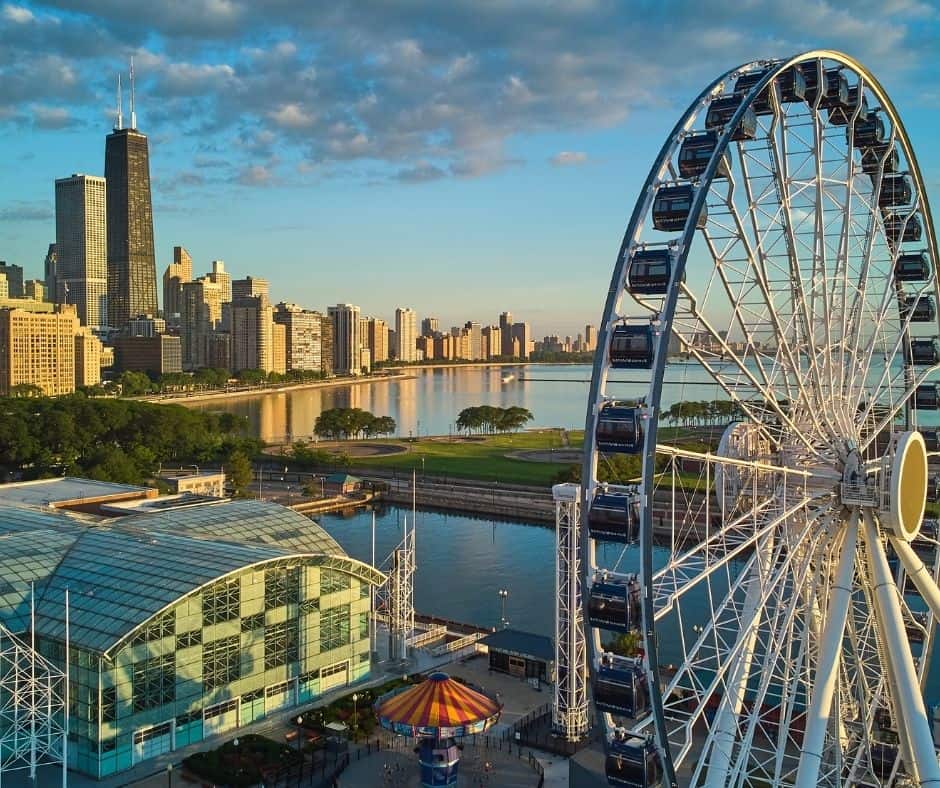
The 15th anniversary of International Jazz Day marks a historic return to the United States. Chicago — the hometown of Herbie Hancock himself — has been designated as the 2026 Global Host City, making this the first time the celebration has come back to American soil since President Obama hosted it at the White House in 2016.
From April 1 through May 2, Chicago will host what organizers are calling the largest and most ambitious Jazz Day in the event’s history. The month-long celebration spans clubs, concert halls, schools, and public spaces across the city, culminating on April 30 with the All-Star Global Concert at the Lyric Opera of Chicago, broadcast live to more than 190 countries. The 2025 concert in Abu Dhabi drew over 250 million viewers — and organizers expect Chicago to surpass that.
Herbie Hancock and fellow Chicagoan Kurt Elling serve as co-artistic directors, with John Beasley returning as musical director. The confirmed lineup already includes Dee Dee Bridgewater, Jacob Collier, Renée Fleming, Marcus Miller, Dianne Reeves, Terence Blanchard, Robert Glasper, Christian McBride, Lizz Wright, and more than 40 artists in total. The celebration also coincides with America 250 — the 250th anniversary of the United States — adding even greater historical weight to the occasion.
For Hancock, it’s deeply personal. “It was in my Chicago high school auditorium that I first discovered jazz,” he said in announcing the event. “That moment changed my life. Jazz opened doors to creativity, self-expression, and freedom — and I hope International Jazz Day 2026 will inspire young artists and audiences the same way the city inspired me.”
International Jazz Day Celebrations Around the World
United States Jazz Day Celebrations
Chicago takes center stage in 2026 as the global host city — see the dedicated 2026 section above for full details on what’s planned.
Washington D.C. hosted a landmark celebration in 2016, with President Obama and First Lady Michelle Obama hosting the All-Star Global Concert on the South Lawn of the White House on April 29th — broadcast nationwide on ABC the following day, International Jazz Day itself. Featuring dozens of world-renowned artists from around the globe, the event underscored jazz’s place in American cultural diplomacy and reached an estimated 2.8 billion people worldwide.
New York regularly hosts events at United Nations headquarters, often in the General Assembly Hall, connecting jazz’s message of unity to the international community. New Orleans, the birthplace of jazz, celebrates with special tributes honoring the legacy of Louis Armstrong, Jelly Roll Morton, King Oliver, and countless others who shaped the genre at Congo Square and in the Storyville clubs.
Major jazz festivals across the country align their programming with April 30th celebrations, while the Reva and David Logan Center for the Arts and similar community venues organize accessible events for private citizens to participate in the global celebration.
European Jazz Day Events
Paris hosted the Global Concert at UNESCO headquarters in 2015, bringing the celebration to the organization’s home and emphasizing jazz’s role in cultural diplomacy. The city’s historic jazz clubs organized special performances, and educational institutions offered jazz history seminars throughout the month.
Istanbul featured a memorable 2013 concert at the historic Hagia Irene venue, blending jazz with Turkish musical traditions in a setting that symbolized the meeting of Eastern and Western cultures. The event demonstrated jazz’s capacity for meaningful intercultural dialogue.
St. Petersburg, Russia served as the 2018 global host city, with the All-Star Concert at the legendary Mariinsky Theatre. UNESCO conducted educational and outreach programs throughout the city, and the concert was livestreamed to audiences worldwide, showcasing jazz’s appeal across political and cultural boundaries.
Multiple European cities organize jazz club tours and street performances, transforming urban spaces into stages for live performances. Educational institutions across the continent offer special jazz history seminars and workshops, engaging students with the genre’s rich heritage.

Jazz Day Celebrations in Asia
Osaka, Japan hosted the Global Concert at Osaka Castle Park in 2014, with performances under the historic castle creating an unforgettable visual backdrop. The event highlighted Japan’s vibrant jazz scene and the genre’s popularity across Asia.
Various Asian countries organize traditional music fusion with jazz elements, exploring connections between regional musical traditions and jazz improvisation. Online master classes connect Asian musicians with international artists, breaking down geographical barriers to learning and collaboration.
Regional jazz festivals coordinate special April 30th programming, ensuring that jazz enthusiasts throughout Asia can participate in the annual celebration through live performances and community events.
African Jazz Day Events
Cape Town was designated as the first African global host city in 2020, representing what officials called “a recognition of South Africa’s strong commitment to cultural diplomacy.” The selection acknowledged Africa’s foundational role in jazz’s creation, tracing the genre’s roots to African rhythms brought to America.
Morocco’s Tangier hosted the Global Concert in 2024, with events running April 27-30 and emphasizing connections between Gnawa musical traditions and jazz. The celebration highlighted cross-continental ties linking Morocco, Europe, and the broader African continent through music.
Events across Africa highlight connections between African musical traditions and jazz, exploring how rhythms, call-and-response patterns, and improvisational practices traveled from the continent to New Orleans and beyond. Community outreach programs in schools and cultural centers introduce young people to this empowering history.
Collaboration with local Afro-jazz and traditional music groups ensures celebrations remain rooted in the community while connecting to the global jazz family, promoting freedom of expression and cultural pride.
Jazz Day Celebrations in Latin America
Havana, Cuba, hosted the Global Concert at the Gran Teatro in 2017, celebrating the island’s profound influence on jazz development. Cuban rhythms—particularly Afro-Cuban traditions that shaped Latin jazz—received prominent attention, with local and international artists collaborating on stage.
Brazil organizes events in Rio de Janeiro and other major cities, with Latin jazz fusion concerts featuring both homegrown talent and international guests. The country’s rich musical heritage, from bossa nova to samba, provides fertile ground for jazz exploration and cross-genre collaboration.
Educational programs explore jazz’s Caribbean and Latin American roots, examining how musical exchanges between the United States and Latin America shaped both regions’ sounds. Community festivals celebrating cultural exchange through music draw participants from all backgrounds, promoting mutual understanding through shared rhythm.
Middle Eastern Jazz Day Events
Abu Dhabi served as the 2025 global host city, with the All-Star Global Concert held at the Etihad Arena on April 30, 2025. Hosted by Academy Award-winning actor Jeremy Irons and led by Herbie Hancock, the concert featured world-renowned artists from 14 countries, including Dee Dee Bridgewater, Kurt Elling, Dianne Reeves, Arturo Sandoval, and John McLaughlin, alongside dozens of community outreach programs held across the city.
Educational initiatives promoting intercultural dialogue through music engaged schools and arts organizations, introducing new audiences to jazz while exploring connections to Middle Eastern musical traditions. Community outreach ensured the celebration reached beyond concert halls into neighborhoods and community centers.
The selection of Abu Dhabi reflected UNESCO’s commitment to rotating the global host celebration across regions, ensuring diverse representation and highlighting jazz’s truly international character.
Australian and Oceania Jazz Day Activities
Australia hosted Global Celebrations across Sydney and Melbourne in 2019, with the year’s global host city designation shared between the two cultural centers. Master classes at the Sydney Opera House offered aspiring musicians instruction from international artists, including notable participation by pianist John Beasley in major international jazz events. Educational opportunities were further enhanced that year, as the 2019 education programs in Australia included master classes by Herbie Hancock and other jazz masters, reaching students of all ages and levels, while conservatory events engaged music students throughout the region.
Pacific Island nations participate through local jazz communities, often organizing smaller-scale events that nonetheless connect to the worldwide celebration through digital platforms. Online events connect remote communities to the global celebration, ensuring geographical isolation doesn’t prevent participation.
Indigenous music fusion events explore cultural connections between traditional practices and jazz improvisation, creating space for musical dialogue that honors heritage while embracing innovation. These events exemplify International Jazz Day’s mission of fostering greater appreciation for cultural diversity through shared musical experience.